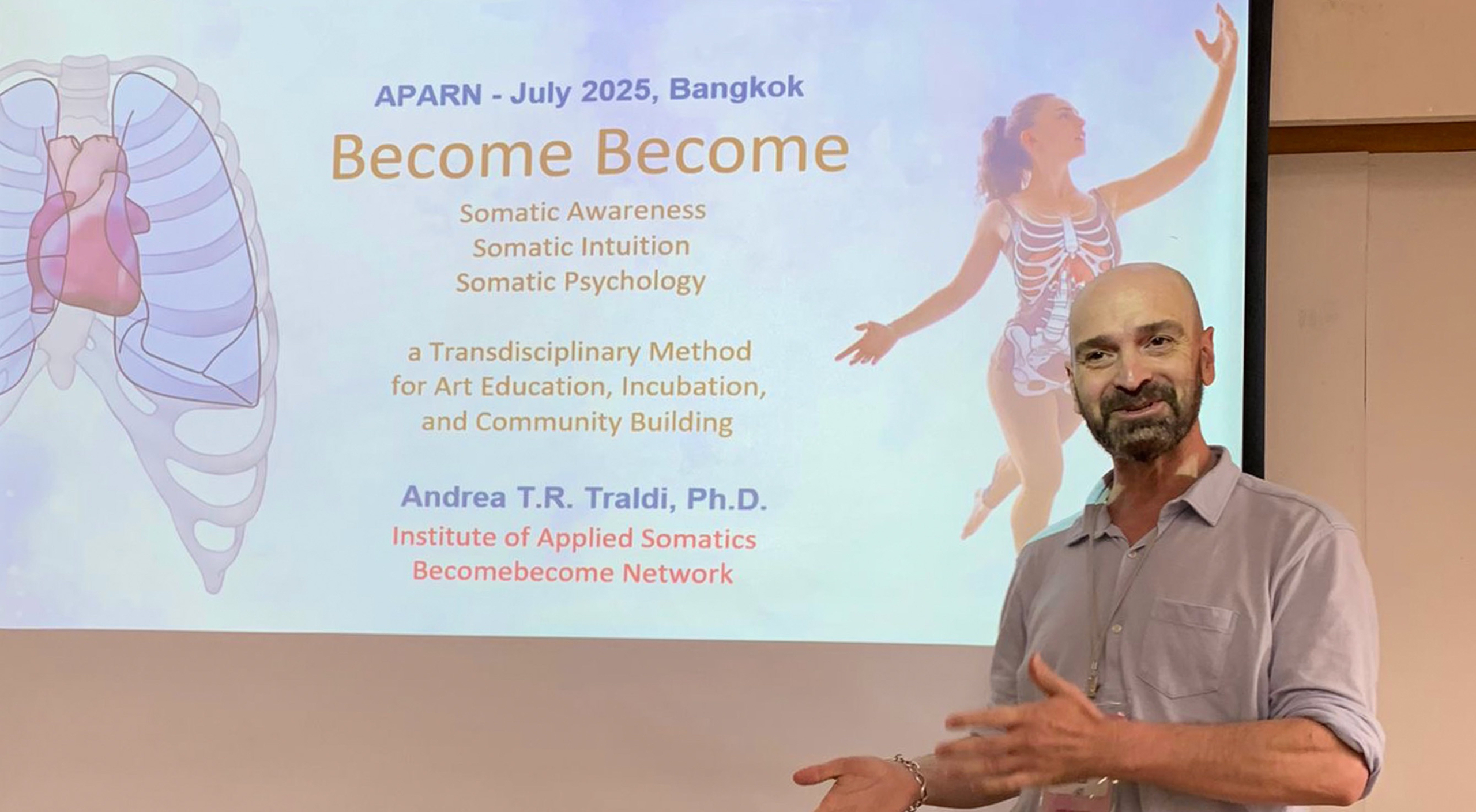
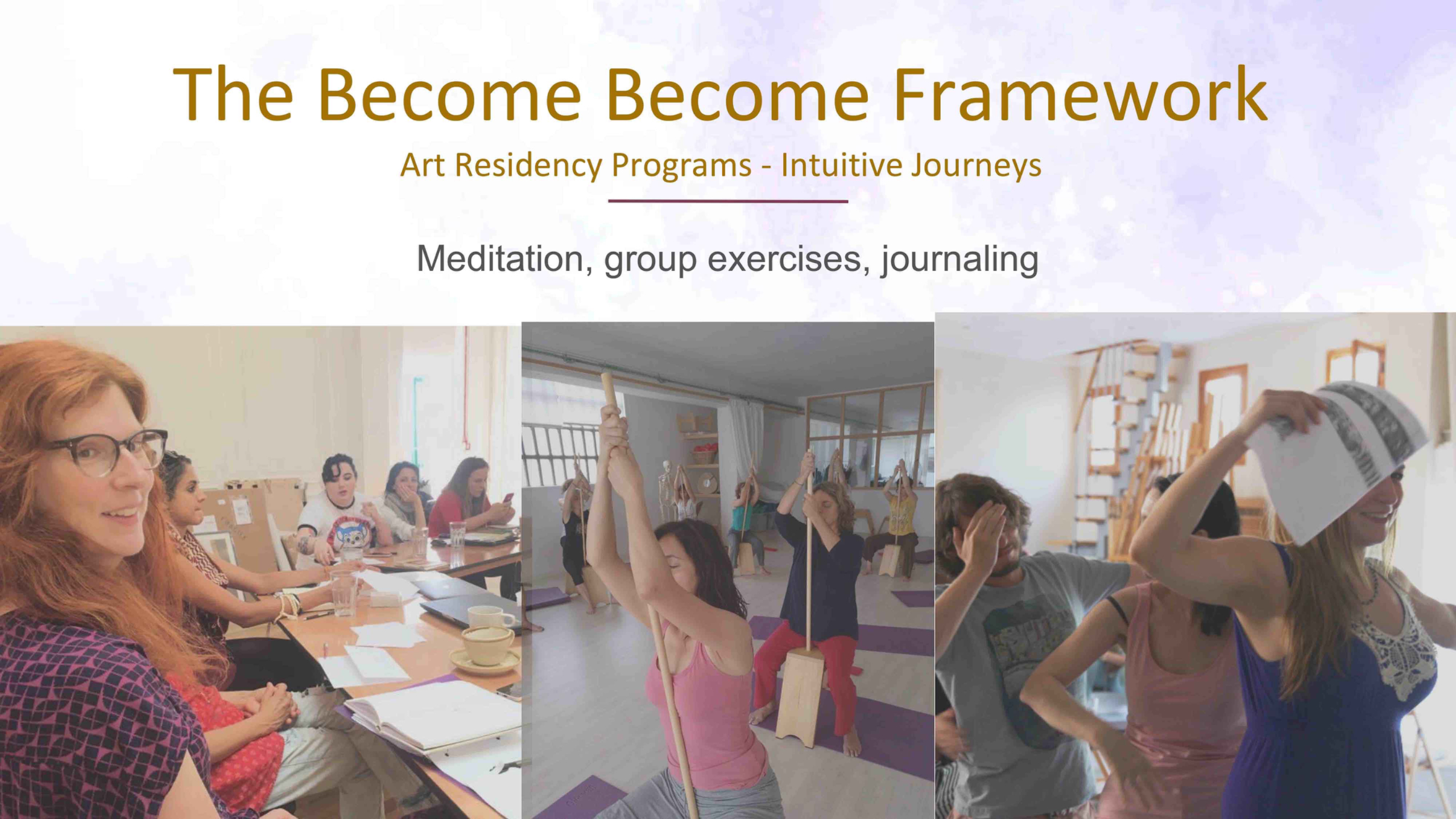
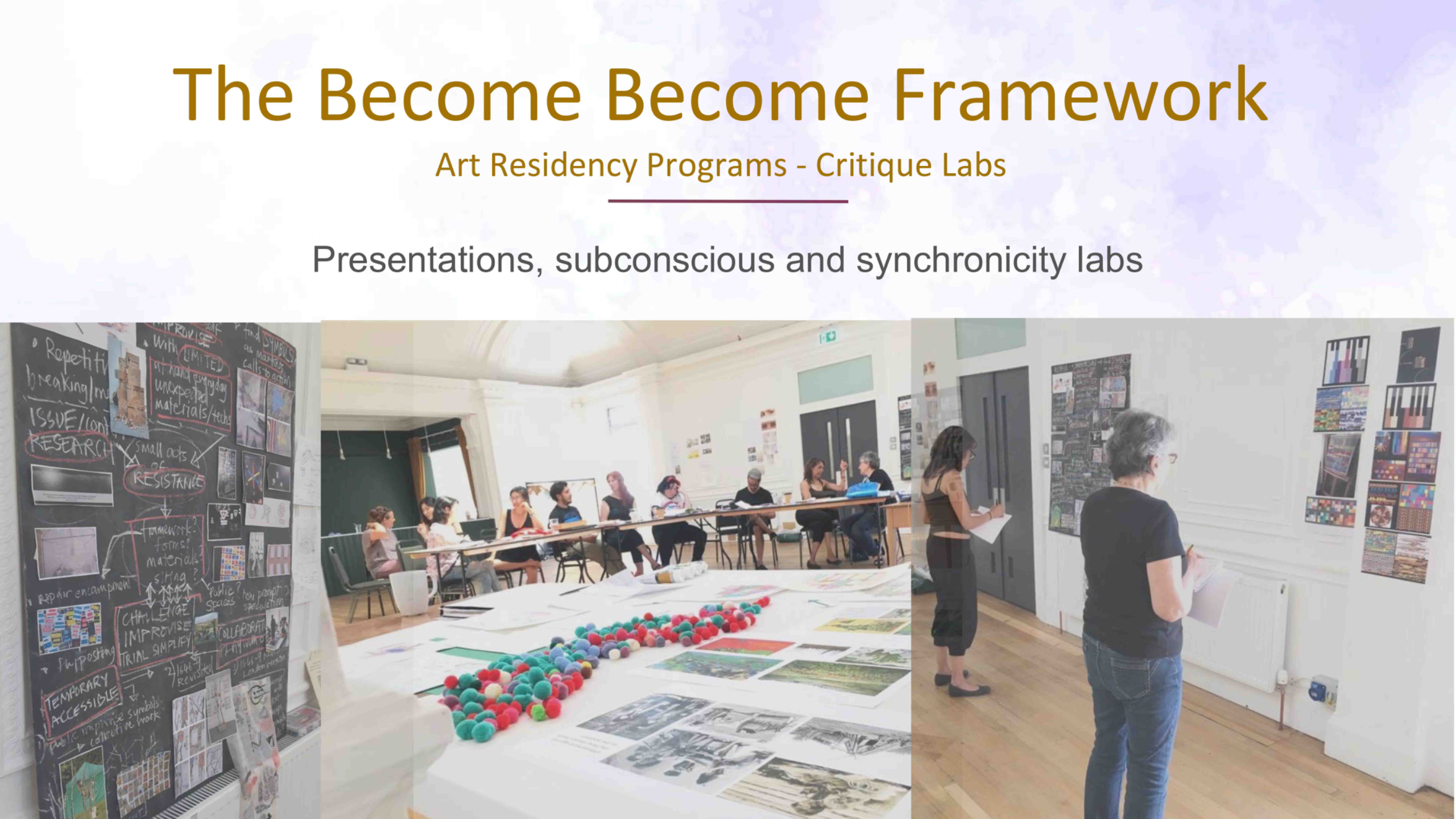
Becomebecome
A Transdisciplinary Methodology for Art Education/Incubation and Community Building based on Somatic Awareness, Somatic Intuition, and Somatic Psychology
Â
APARN Conference Proceedings, 2025 – ISBN: 978-616-7901-71-8
Andrea Traldi, Ph.D.Â
Â
Â
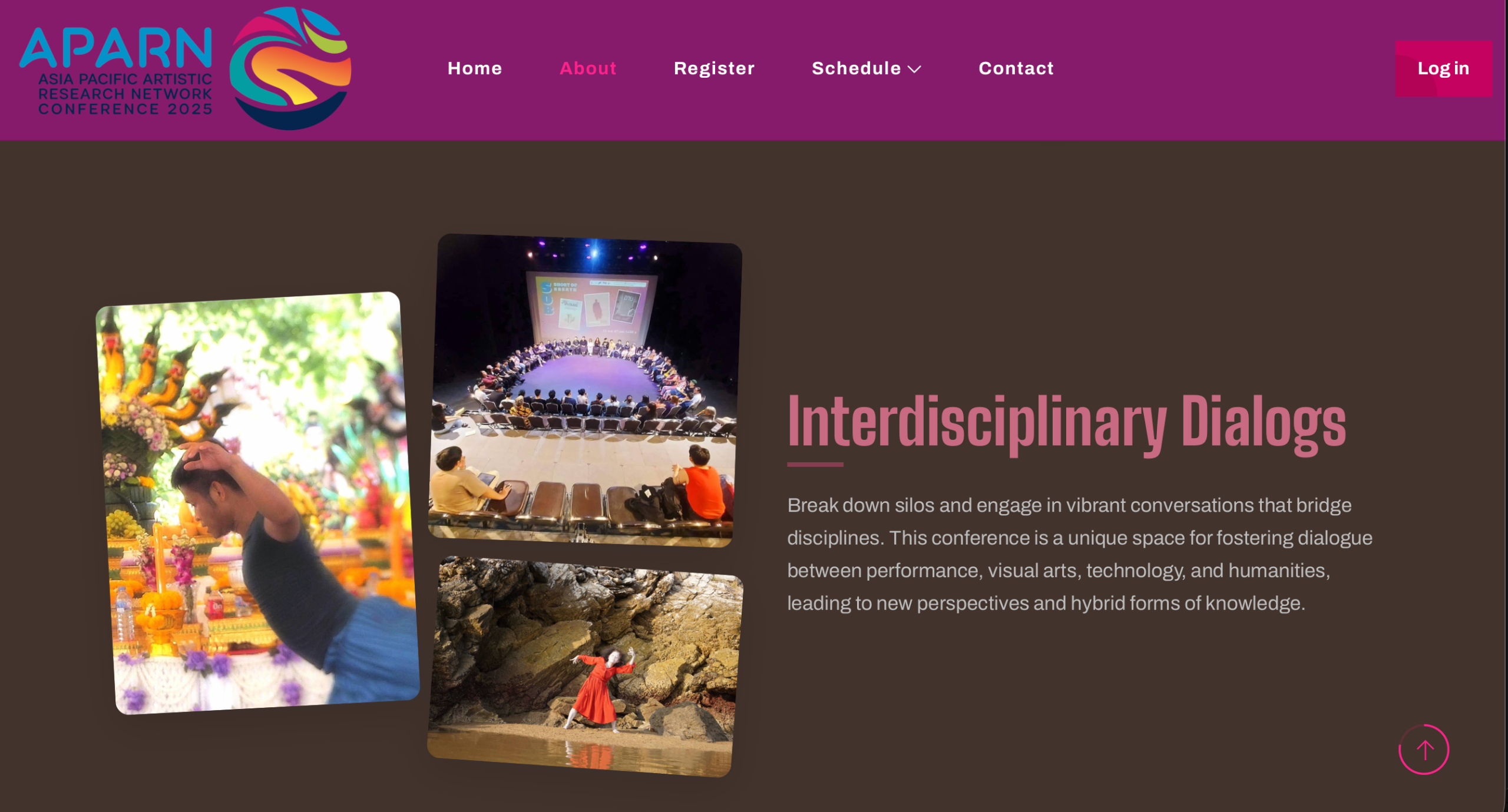
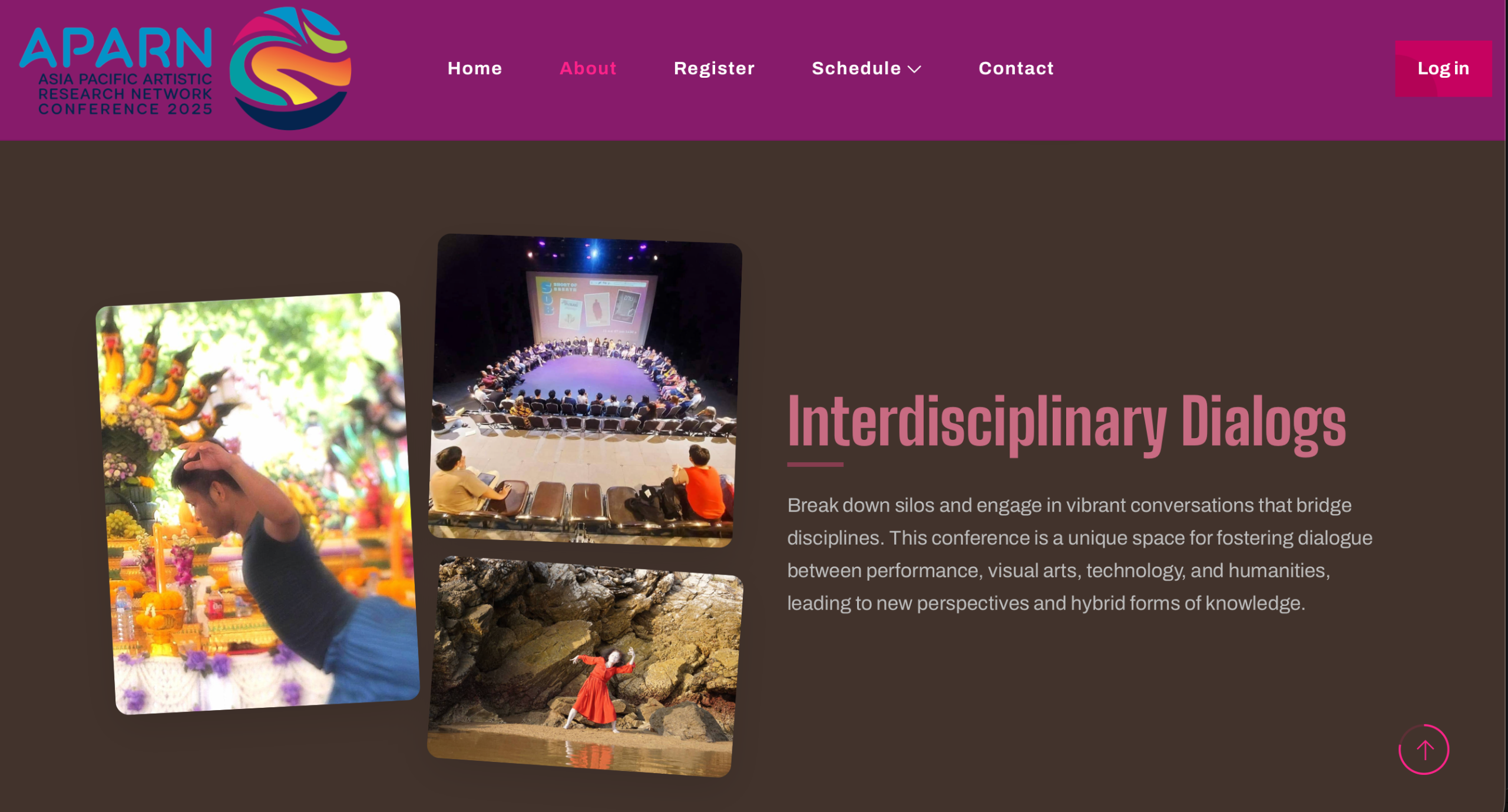
This article was published on the occasion of the 2025 Asia Pacific Research Network Conference; a vibrant international gathering of artists, academics, and practitioners, exploring cutting-edge research, innovative practices, and critical discussions that are shaping the future of the arts across the Asia-Pacific region and beyond. Organized by Chulalongkorn University in Bangkok, APARN 2025 featured live performances, experimental showcases, workshops, and academic presentations, engaging in vibrant conversations that bridge disciplines and creating a unique space for fostering dialogue between performance, visual arts, technology, and humanities, leading to new perspectives and hybrid forms of knowledge.
Â
Abstract Â
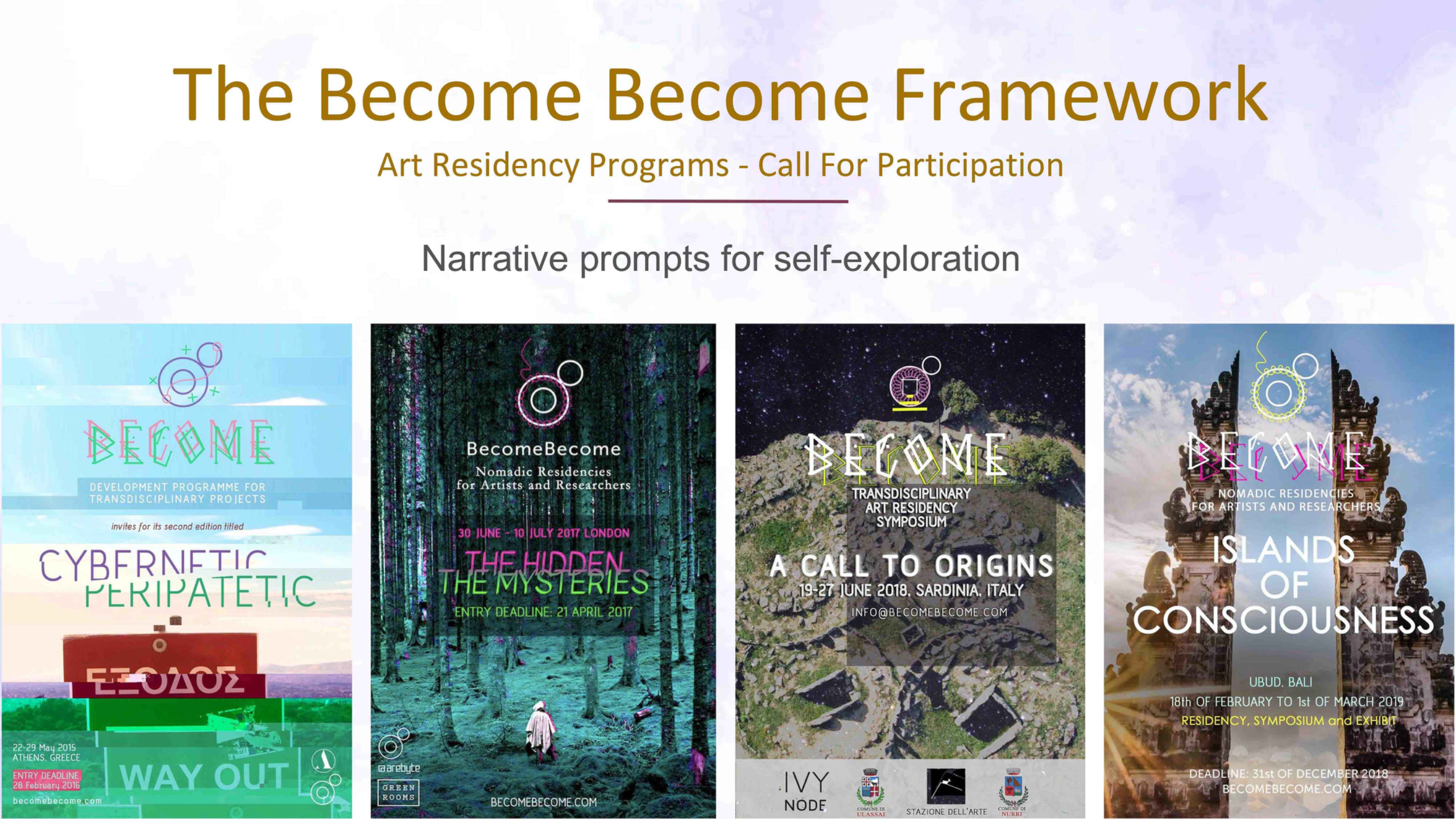
This article documents the journey of the Becomebecome collective, an ever expanding and evolving group of artists, researchers, curators, and academics that organically coalesce around social impact projects including art, wellbeing, and community building.
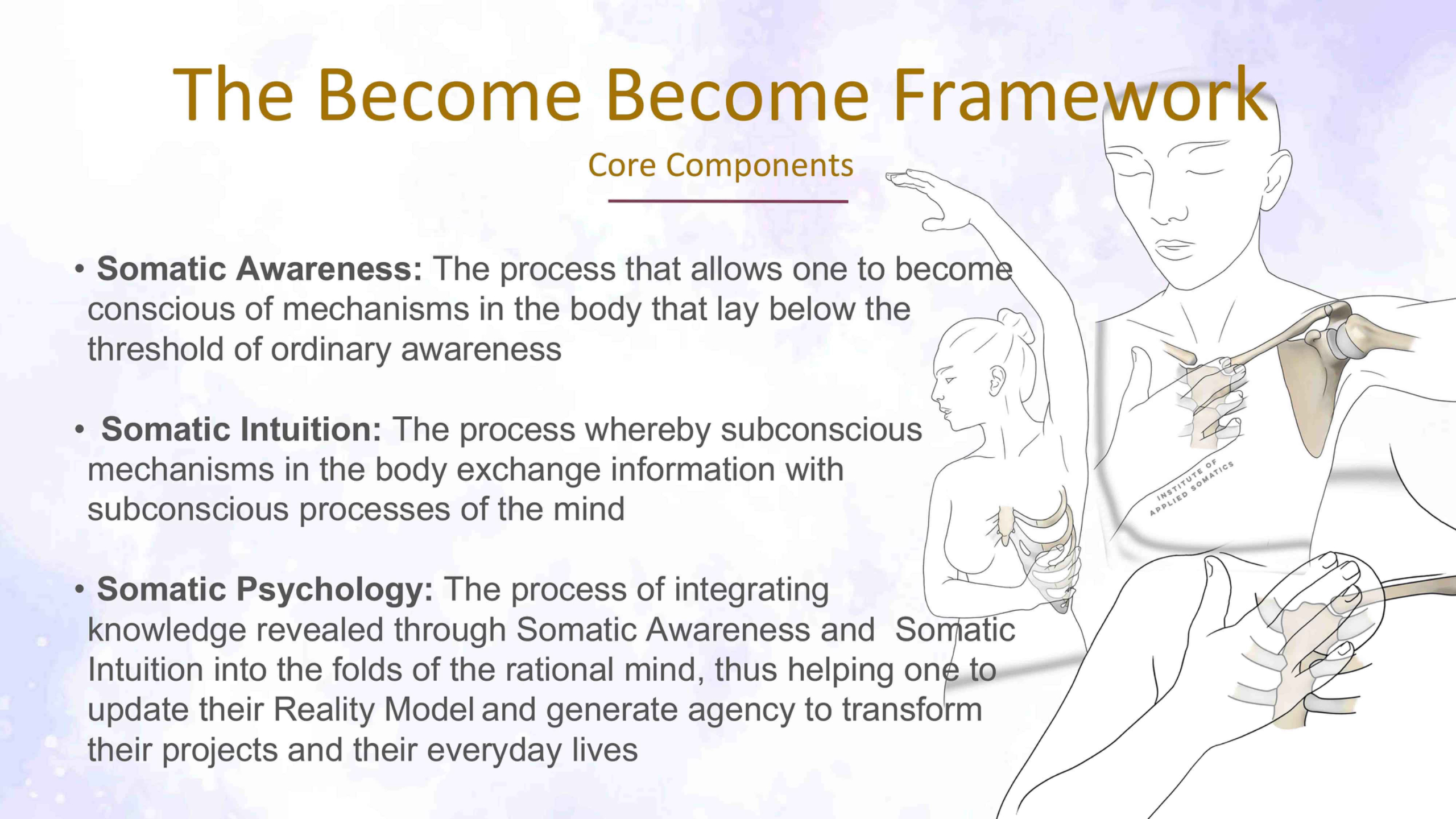
At its core, the Becomebecome methodology is based on the Institute of Applied Somatics approach. Combining the experience and influence of participants and facilitators from all over the world, the Becomebecome collective has developed community events and art projects including: somatics, anatomy, and psychology workshops, educational seminars, social impact art events, art residency immersions, and full featured training programs with year-long curricula.
This article outlines the Becomebecome transdisciplinary framework and methodology for integrating somatic, intuitive, and psychological techniques into the creative process. It introduces a transpersonal and transcultural approach to art education and incubation that can be used to expand the agency of all the actors involved in the creation of artwork including the participants designated as authors/artists, the people who help the artists, the public, and other social entities.
Furthermore, the Becomebecome method is presented as an example of how to combine cognitive science with embodied practices to unlock subconscious layers of the creative mind and generate new ideas.The techniques used to access this enhanced space for creativity also nurture wellbeing and empathy, foster collaboration and group-dynamics, and lower social and cultural barriers.
Â
Acknowledgements
Prof. G. Dodi - Why are the people you "treat" (is the word right?) clients and not patients?
Dr. Andrea Traldi - The answer is rooted in the transdisciplinary nature of our approach and on the multicultural design of our pedagogy. Let me explain better... From the beginning, our methodology has had as its aim a transdisciplinary “open-source” approach that includes contributions from professionals of different sectors, including medical sciences, but also research on movement techniques, education, psychology, contemporary art... This approach being open to a mixed audience made us reflect upon the language that our practitioners must use to be respectful of the professional, cultural, and personal backgrounds of their colleagues and of the people to whom they offer their services.
While at the Institute of Applied Somatics we train practitioners who come from medical fields, we also train practitioners who come from the world of yoga, Pilates, psychology, coaching, singing, performance arts,… as well as people who come for personal reasons. If we define our approach using the word "patient" instead of "client" we are artificially reducing the semantic-cognitive field that our students build in their internal (thoughts) and external (communication with others) explanations. While qualified medical personnel who study our method certainly have the right to call their clients "patients", others who study the same techniques in the same group do not have this prerogative. We have a duty not to create confusion and make students believe that they become doctors or healthcare professionals just because they study our method. We are proud to be an international organization that offers specialized courses to medical and healthcare personnel, but we are not the ones who have the right to bestow this status. In addition, in certain countries it is absolutely forbidden to use words such as "therapy", "health", "patient"... without certification at a national level. This is why we pay a lot of attention to using vocabulary that can work regardless of the students’ professional profiles and the country in which they operate. We use the words “client” or “participant” instead of “patient.” We use the words “wellbeing” and “quality of life” instead of “health”. We use the word “practitioner” and not “therapist”. Unless we are sure of the context in which our explanations are taken into consideration, it is preferable to remain at a level that is always correct and applicable.
Â
Prof. G. Dodi  - In your opinion, does the perineum as a sexual area continue to be so heavily conditioned by cultural factors and taboos even now that communication about sex and pleasure is normalized and often publicly available?
Dr. Andrea Traldi - To answer this question, I will refer to the international and multicultural footprint of our Institute. I agree that in Italy, and more generally in the West, we are witnessing a mental and cultural renaissance on all themes related to the health of the perineum, including sexuality. However, it is also true that our practitioners work all over the world and often in situations where this freedom of expression is not enjoyed. For us, it is important to offer language and strategies through which practitioners can help solve a problem or improve the quality of life of their clients without creating a conflict with the culture in which they operate.
For example, our method has been used in indigenous communities in Chile and Australia to help victims of sexual violence. We could never have had a positive impact if we had used strictly "Western" words, concepts, and explanations. However, since we connect the discourse of the subconscious with the shamanic tradition of Dreamtime journeying, our practitioners can create a session or a group workshop in which emotional and physical blockages are released by doing pelvic floor exercises based on protocols created by Françoise Mézières, Ida Rolf, Moshé Feldenkrais...
Basically, we teach our practitioners various communication strategies to “start from where the client is, and not from where they (the practitioners) are”. The sessions they offer only make sense if they communicate with words that connect to the cultural and personal background of their clients. A fundamental quality of the practitioner is the ability to listen and identify words and somatic messages (non-verbal communication) to constantly update the language and content of the session following the cues revealed by the clients themselves. On a more general level, the explanation of the method and the type of experience offered must be respectful of the legal and cultural criteria of the community in which the practitioner wishes to offer their services.
Â
References:
1. Olivetti Belardinelli, M. (1986). La Costruzione della Realtá, Bollati Boringhieri, Torino, Italy
2. Meltzer KR, Cao TV, Schad JF, King H, Stoll ST, Standley PR. In vitro modeling of repetitive motion injury and myofascial release. J Bodyw Mov Ther. 2010 Apr;14(2):162-71. doi: 10.1016/j.jbmt.2010.01.002. Epub 2010 Jan 29. PMID: 20226363; PMCID: PMC2853774.
3. Germain, P. (2001). Économie du geste: fascias et movement, Desiris. Gap, France.
Â